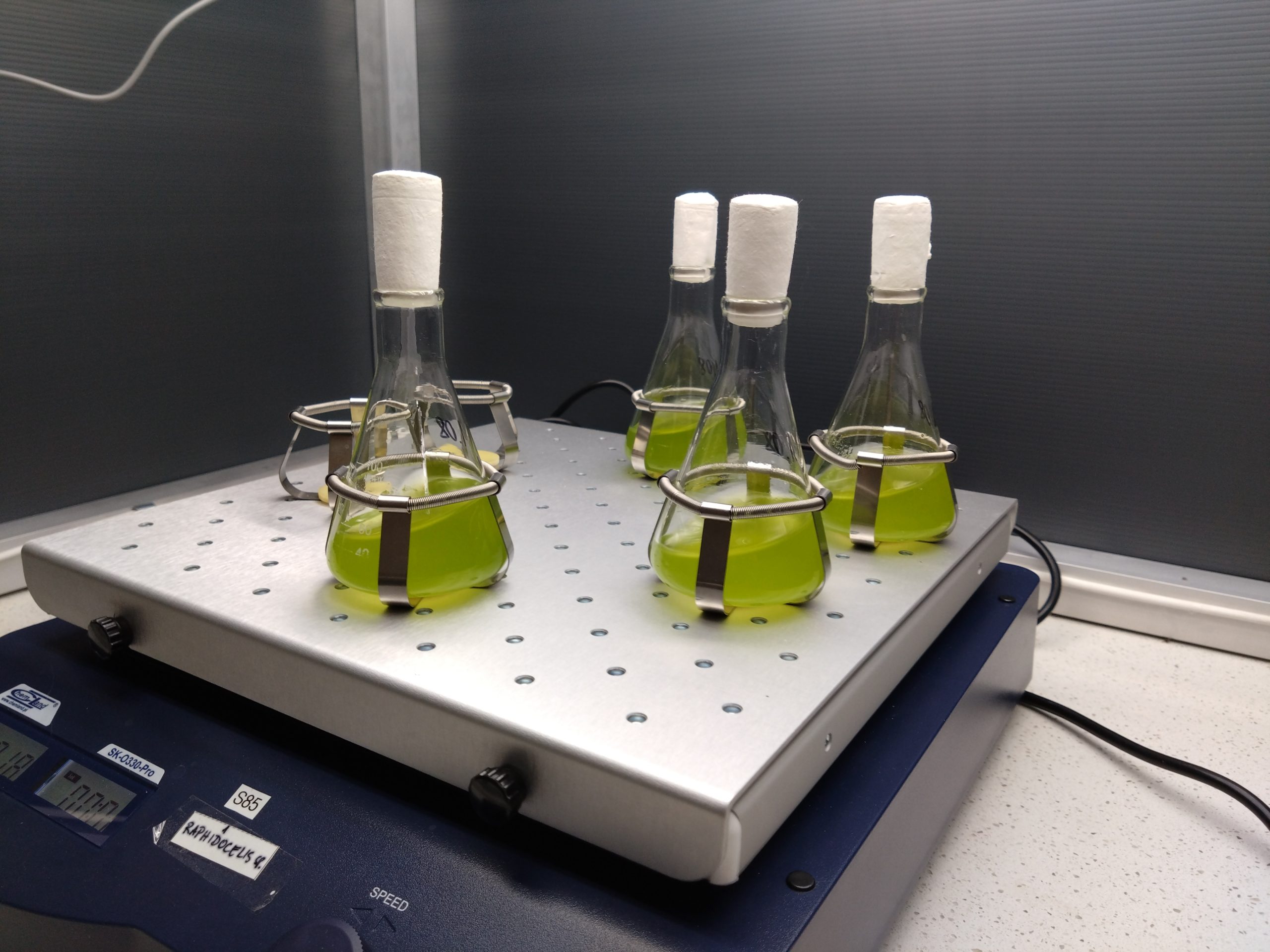
OECD Nr 201 - Freshwater Alga and Cyanobacteria, Growth Inhibition Test
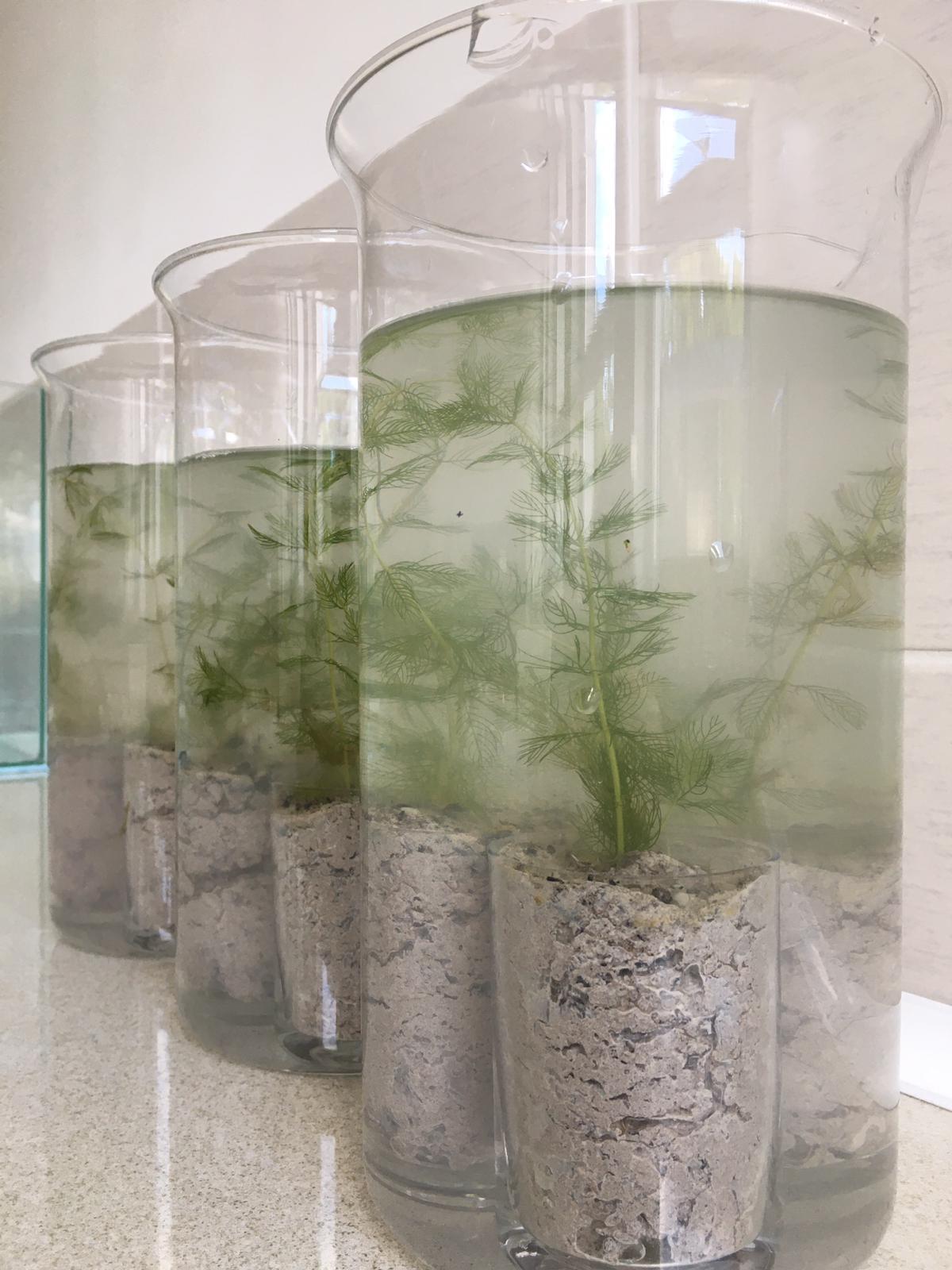
OECD Nr 238 - Sediment-Free Myriophyllum Spicatum Toxicity Test
OECD Nr 239 - Water-Sediment Myriophyllum Spicatum Toxicity Test
OECD Nr 221 - Lemna sp. Growth Inhibition Test
OECD Nr 202 - Daphnia sp. Acute Immobilisation Test
OECD Nr 211 - Daphnia magna Reproduction Test
OECD Nr 235 - Chironomus sp., Acute Immobilisation Test
OECD Nr 218 - Sediment-Water Chironomid Toxicity Using Spiked Sediment
OECD Nr 219 - Sediment-Water Chironomid Toxicity Using Spiked Water
OECD Nr 225 - Sediment-Water Lumbriculus Toxicity Test Using Spiked Sediment
OECD Nr 203 - Fish, Acute Toxicity Test
OECD Nr 210 - Fish, Early-life Stage Toxicity Test
OECD Nr 212 - Fish, Short-term Toxicity Test on Embryo and Sac-Fry Stages
OECD Nr 215 - Fish, Juvenile Growth Test
OECD Nr 230 - 21-day Fish Assay
OECD Nr 236 - Fish Embryo Acute Toxicity (FET) Test
OECD Nr 234 - Fish Sexual Development Test
OECD Nr 305 - Bioaccumulation in Fish: Aqueous and Dietary Exposure
OECD Nr 229 - Fish, Short-term reproduction Assay
OECD Nr 208 - Terrestrial Plant Test: Seedling Emergence and Seedling Growth Test
OECD Nr 227 - Terrestrial Plant Test: Vegetative Vigour Test
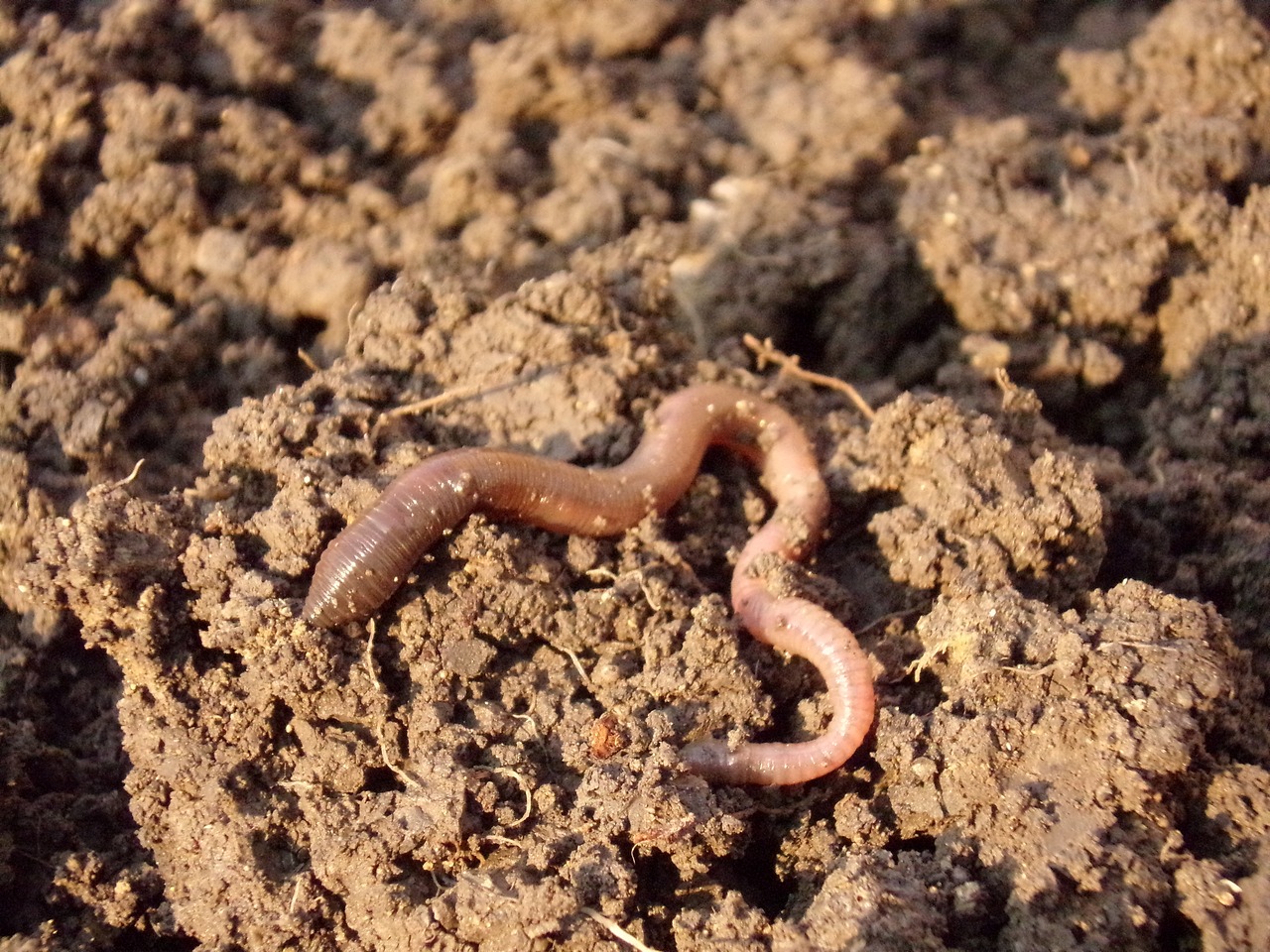
OECD Nr 222 - Earthworm Reproduction Test (Eisenia fetida/Eisenia andrei)
OECD Nr 226 - Predatory mite (Hypoaspis (Geolaelaps) aculeifer) reproduction test in soil
OECD Nr 232 - Collembolan Reproduction Test in Soil
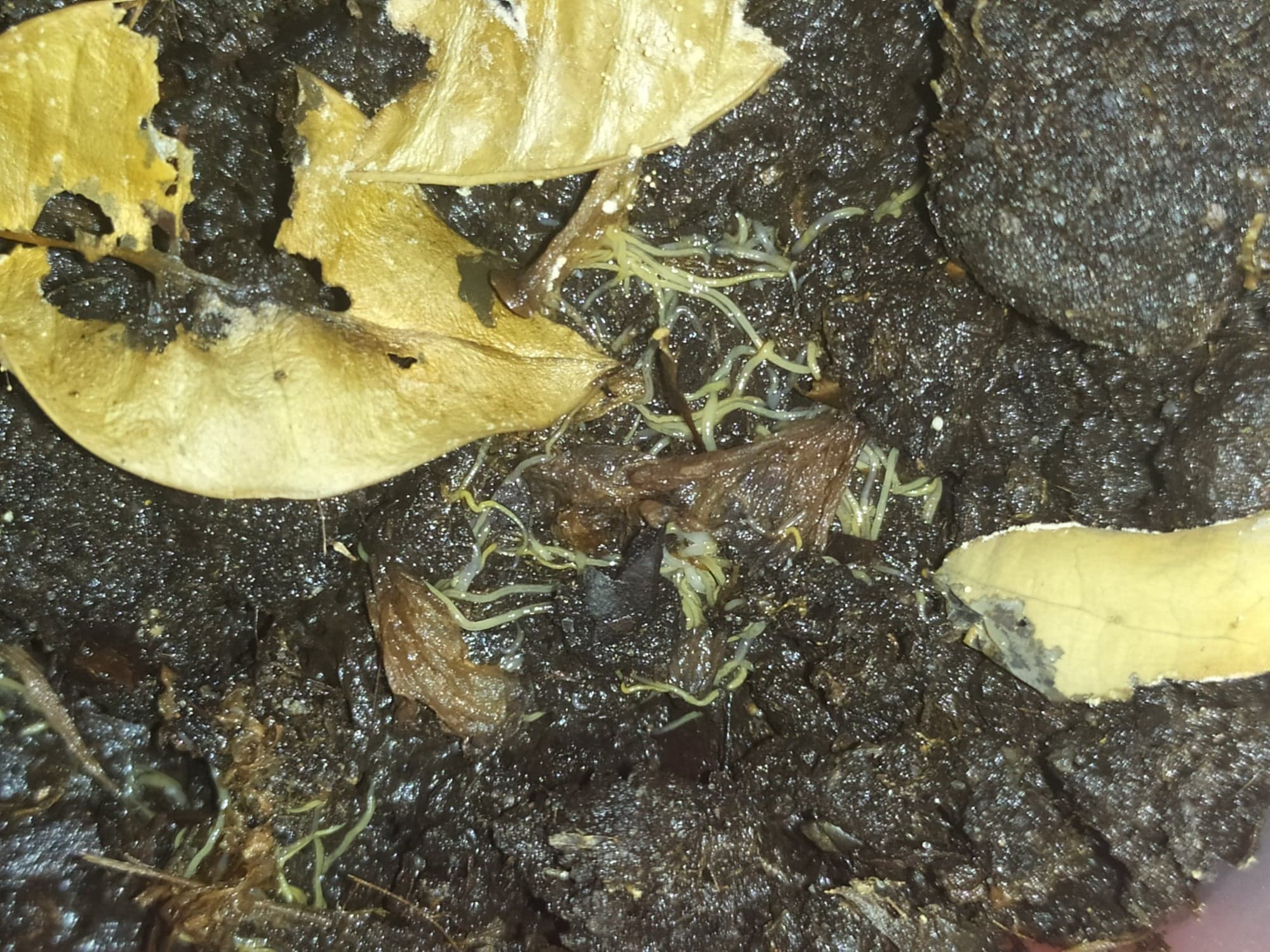
OECD Nr 220 - Enchytraeid Reproduction Test
OECD Nr 207 - Earthworm, Acute Toxicity Tests
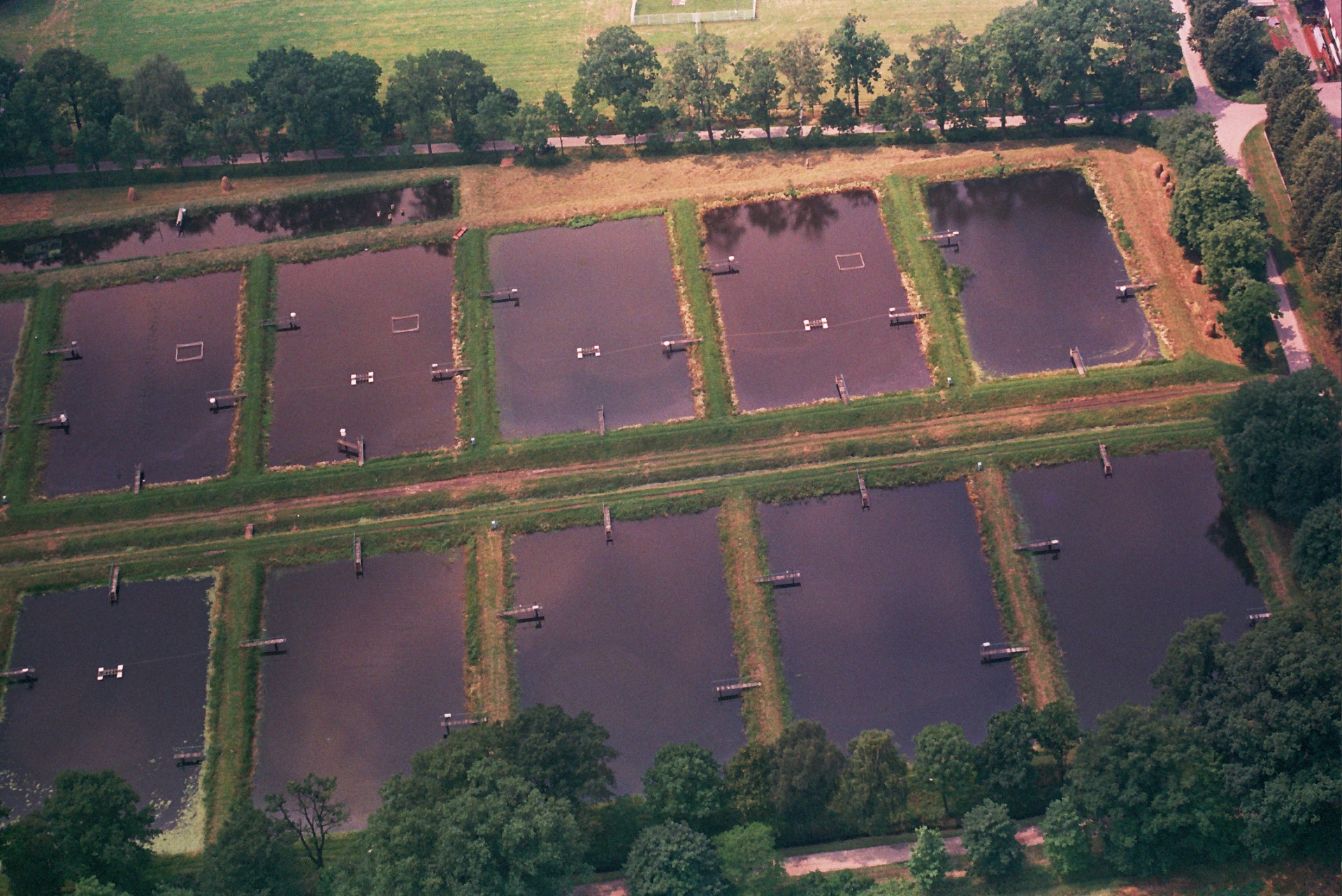
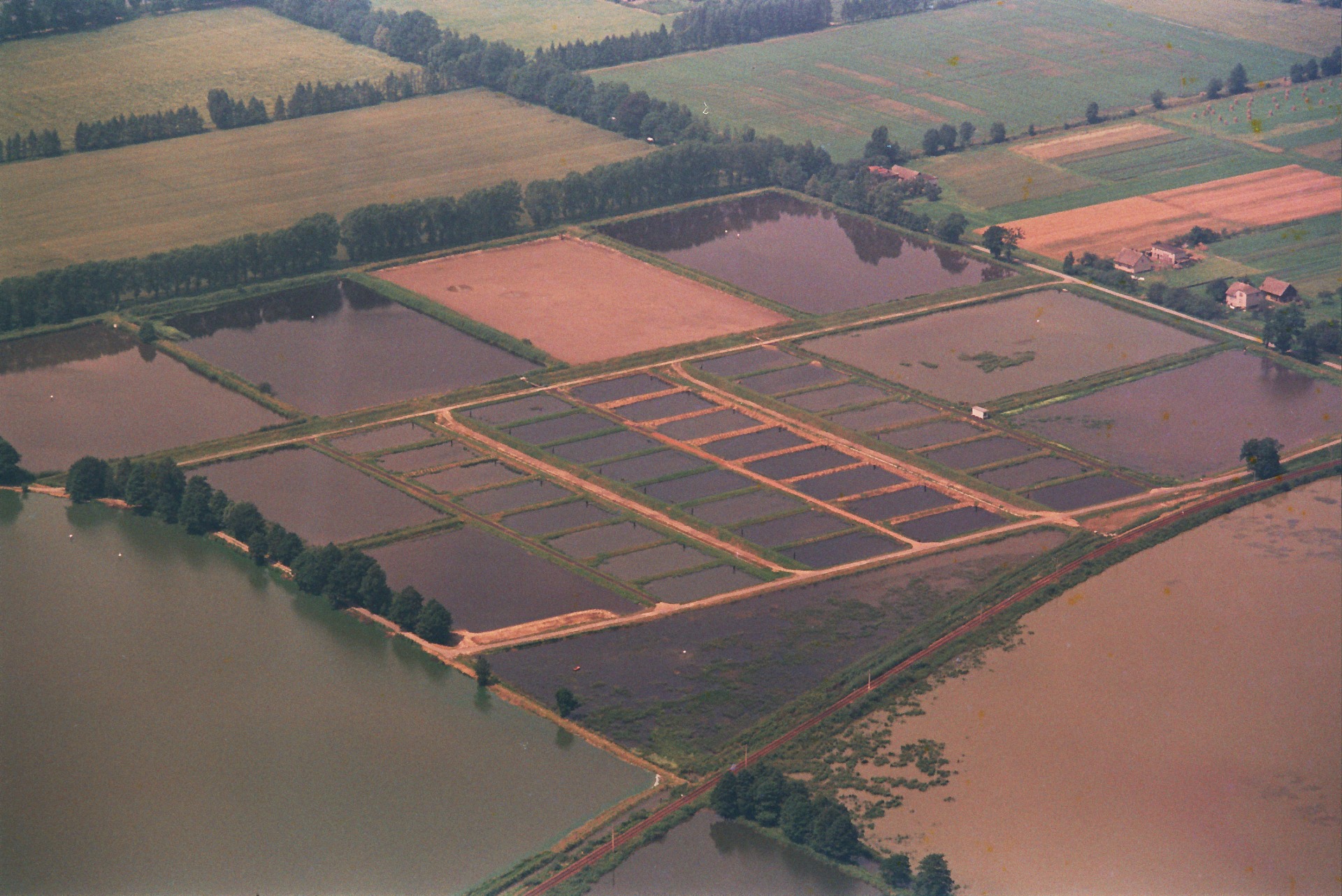
We have established pond complexes and experimental plots suitable for microcosm and mesocosm studies, following the OECD Standard No. 53: Guidance document on simulated freshwater lentic field tests (outdoor microcosms and mesocosms) ENV/JM/MONO(2006)17, 02 May 2006.
Parasitological diagnostics
Identification and evaluation of external and internal fish parasite infestations
Virological diagnostics
Detecting the presence of viruses relevant to fish health, such as:
• KHV (Koi Herpesvirus)
• CEV (Carp Edema Virus)
• SVCV (Spring Viremia of Carp Virus)
• IPNV (Infectious Pancreatic Necrosis Virus)
• VHSV (Viral Hemorrhagic Septicemia Virus)
Bacteriological diagnostics
Identification of pathogenic bacteria causing the most common bacterial diseases
of freshwater fish, including:
• Columnaris
• Furunculosis
• Erythrodermatitis
• Bacterial Gill Disease
• Flavobacteriosis
• Edwardsiellosis
• Yersiniosis
• Aeromonosis
• Pseudomonas infections
On May 1, 2019, the
international AQUA-FAANG project began. The goal of the project is to deepen
the understanding of genome function as well as the use of “genotype-phenotype”
prediction of six, commercially most important, European fish species. AQUA-FAANG
combines expertise with industry leading directly toward commercial
exploitation. Project participants include 24 partners including scientific
institutions and industry representatives.
The Department of
Ichthyobiology and Fishery Management of the Polish Academy of Sciences in
Gołysz is a scientific partner in this European-scale project.
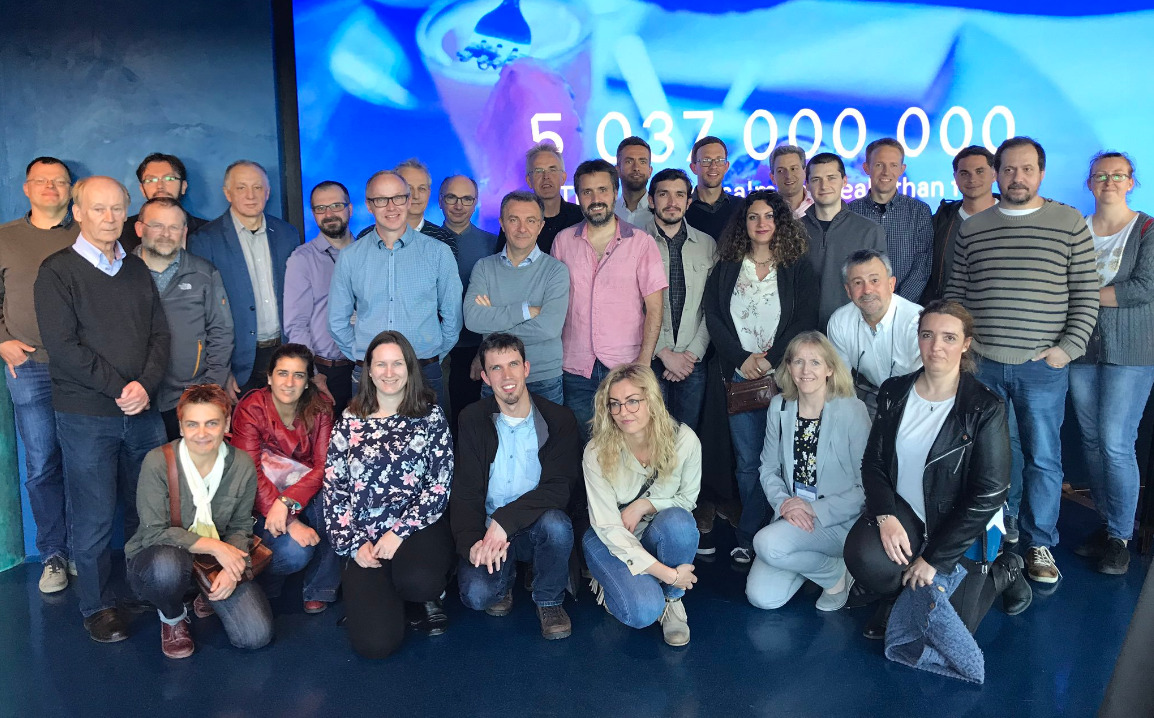
Photo: AQUA-FAANG Scientists
10.10.2022.
On 1 October 2020, the Department of Ichthyobiology and Fisheries Management of the Polish Academy of Sciences in Gołysz became a partner in a project implemented under the National Centre for Research and Development (NCBR) “Fast Track” competition, entitled:
Plantlab – an innovative system for year-round production of romaine lettuce and freshwater fish using aquaponic technology.
Beneficiaries: Plantlab Sp. z o.o. – consortium leader, The Institute of Horticulture and the Department of Ichthyobiology and Fisheries Management of the Polish Academy of Sciences – consortium partners
Project implementation period: 1 October 2020 – 30 June 2023
Total project value: PLN 14,471,426.99
Amount of funding received: PLN 11,967,519.08
Operational Programme Smart Growth
Measure 1.1: Scientific research and development works
Sub-measure 1.1.1: Industrial research and development works carried out by enterprises


“Transferring Knowledge and
Innovation to Fishing Practice for Skill Development and Lifelong Learning”
Project Objectives:
• Needs Assessment: Analyze
educational needs within the fishing sector.
• Knowledge Assessment:
Evaluate the current state of knowledge and identify areas where practical
knowledge can be supplemented.
• Training Conferences:
Develop and conduct a series of training conferences.
• Knowledge Dissemination:
Prepare and distribute comprehensive materials on the discussed topics to
participants.


The Polish Academy of
Sciences Department of Ichthyobiology and Fishery Management in Gołysz is
implementing a project titled "Protection of possessed genetic resources
of fish implemented in accordance with national programs for environmental
protection and restoration of biodiversity." This project is funded under
the aquaculture providing environmental services activity (Article 54(1)(b) of
Regulation 508/2014 on the European Maritime and Fisheries Fund), within the
scope of Priority 2 - Supporting environmentally sustainable,
resource-efficient, innovative, competitive, and knowledge-based aquaculture,
included in the Operational Program "Fisheries and the Sea."
The beneficiary received
financial assistance of PLN 806,700.00 for project implementation. The European
Union, through the European Maritime and Fisheries Fund, is co-financing the
project with PLN 605,025.00.
Our department has been
conducting research and selection work on carp breeding material since the
1950s. Our consistent and comprehensive efforts have resulted in a unique
collection of carp breeding lines on a European scale, the so-called
"living gene bank," maintained at the Department of Ichthyobiology
and Fisheries Management of the Polish Academy of Sciences in Gołysz (ZIGR
PAN). This collection includes Polish lines and carp imported over the past 50
years from Hungary, Ukraine, Lithuania, France, Yugoslavia, Germany, and Israel
(Dor 70). In total, ZIGR PAN maintains 17 carp breeding lines.
The "living gene
bank" of carp in our possession provides valuable material for both
research and practical applications. The embryonic material serves as the basis
for breeding improvement of the national carp population and the production of commodity
stocking material for this species. These resources are also crucial for
implementing measures to protect and maintain fish biodiversity in the
environment.
The possessed genetic
resources have been included in national programs for the conservation and ex
situ reproduction of aquatic animals in environmental protection and
biodiversity restoration: "Fish Genetic Resources Conservation
Program" and "National Strategy for Sustainable Use and Conservation
of Livestock Genetic Resources."
According to these programs, the maintenance of genetic resources
includes the following activities:
• Reproduction and Breeding:
Breeding successive generations of individual protected breeding lines under
optimal pond conditions.
• Breeding to Selective and
Spawning Stage: Breeding material up to the selective and spawning stage.
• Natural Pond Maintenance:
Maintaining at least 100 spawners and selectives from each protected breeding
line under natural pond conditions.
• Genetic Monitoring:
Obtaining and preserving tissue samples from fish constituting the "living
carp gene bank" for genetic studies of populations included in the carp
conservation program.
• Lactation Collection and
Preservation: Collecting, preserving, and maintaining lactation from males from
lines distributed in a given year using cryopreservation techniques to provide
material for observation of genetic variability and further breeding work.
• Genetic Analysis:
Conducting ongoing genetic analysis of selected markers to determine the
genetic profile of each spawner. This information is essential for proper
planning of reproduction of pure carp breeding lines to maintain the correct
population structure.
• Electronic Database
Maintenance: Maintaining an electronic database containing all necessary
information (origin, sex, vintage, genotype, breeding history, etc.) of
individual spawners.
The Polish Academy of Sciences Department of Ichthyobiology and Fishery Management in Gołysz maintains strategic partnerships with both domestic and international scientific institutions. Through collaborative efforts, we jointly execute scientific projects funded by national and European Union programs. Our department's team of experts has contributed significantly to the field with dozens of scientific publications, primarily in peer-reviewed journals, both domestic and foreign, as well as in trade publications.
ul. Kalinowa 2, 43-520 Zaborze
Tel. +48 33 856 15 51
zigr@golysz.pan.pl